
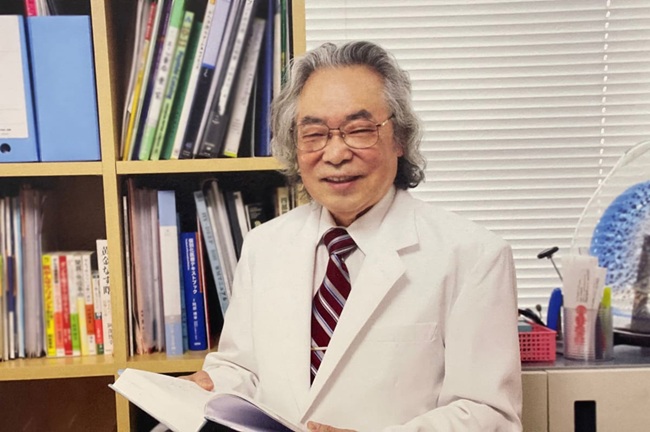
The origins of Tokyo Cancer Clinic lie in the lifelong aspiration of its founder, Dr. Hiroyuki Abe, who refined his medical expertise through years of clinical practice and research at medical institutions in Japan and abroad, driven by a single belief: to realize truly ideal medical care.That philosophy and commitment continue to serve as the foundation of our clinic’s medical practice today.
Here, we present the life journey and convictions of our founder.
The Beginning of His Calling to Medicine
Dr. Abe was born in 1938 in Niseko, Hokkaido, and was still a child when World War II came to an end. He grew up with his family in the forests overlooking Mt. Washibetsu. Though life was not materially abundant, living in harmony with nature fostered in him a deep respect for others and an enduring sense of balance and compassion.
A life-changing experience came when a physician saved his father from a serious injury. Inspired by that moment, Dr. Abe resolved to pursue medicine. Leaving home alone for Sapporo, he supported himself through hardship and study, eventually embarking on his path as a physician.
-
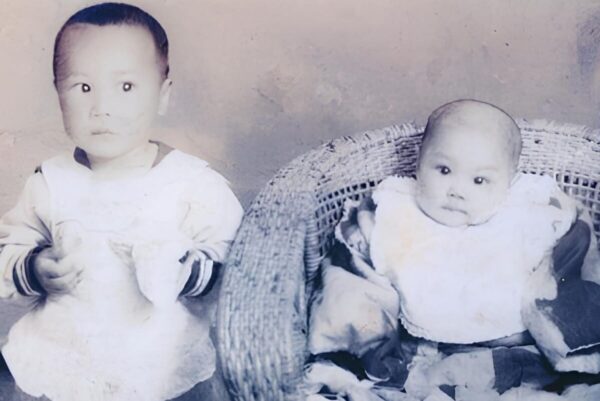
- Around age 2 (left), with his younger brother
-
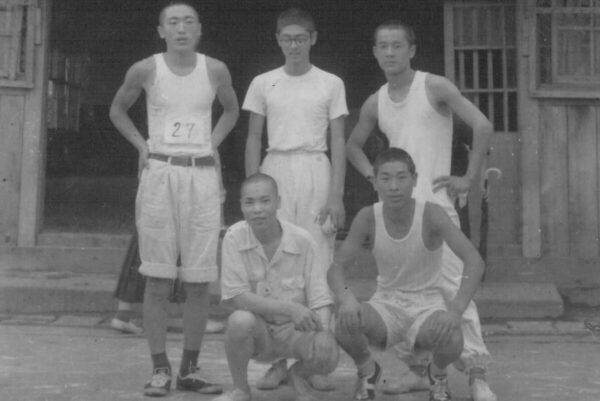
- High school years, member of the long-distance relay team (second from left)
Learning the Essence of Medicine in a Doctorless Community
After graduating from Sapporo Medical University School of Medicine, Dr. Abe joined the Second Department of Surgery. He was later assigned for an extended period to the Isoya rural medical outpost, located in a remote area with no resident physicians.
Although this assignment delayed his formal training in his specialty of cardiac surgery, the three years he spent caring for patients under difficult conditions through trial and error became a time of deep reflection on what true medicine is and what patients truly seek.
This experience became the cornerstone of his career as a physician—shaping his lifelong pursuit of medicine that treats the person, not just the disease, and that walks alongside patients throughout their lives.
-

- 1964, graduated from medical school
-
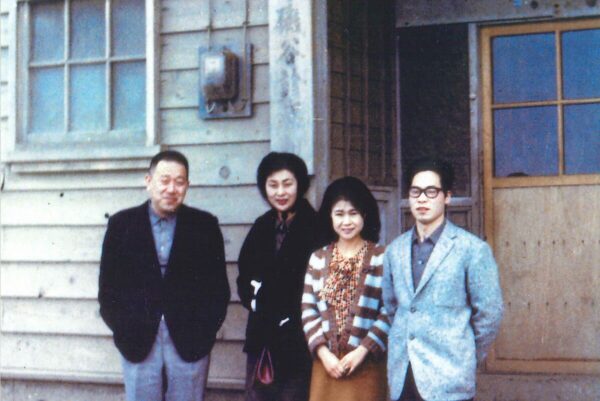
- At the Isoya Clinic, visit from Professor Juro Wada and his wife
-
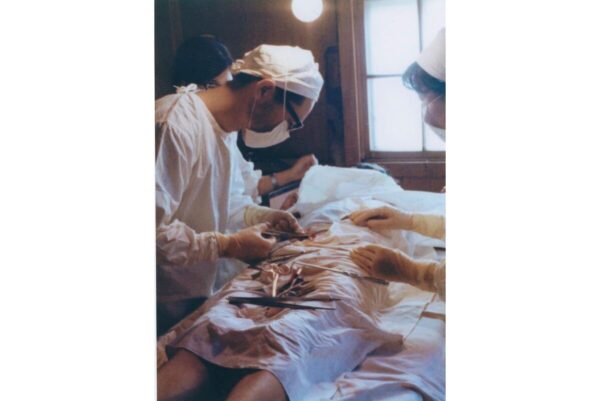
- At the Isoya Clinic, performing an appendectomy
Learning from the World, Giving Back to Japanese Medicine
In 1971, Dr. Abe moved to the United States, where he conducted research at Hahnemann Medical College while obtaining U.S. medical licensure. After completing a clinical fellowship at The Children’s Hospital of Philadelphia at the University of Pennsylvania, he trained at the Cleveland Clinic under Dr. Mason Sones, where he received training in coronary angiography.
Upon returning to Japan, he served as a lecturer at Juntendo University School of Medicine, dedicating himself to the dissemination of coronary angiography and contributing to the establishment of the Japan Cineangiography Research Society.
In 1981, as a visiting professor at Stanford University, Dr. Abe was involved in the development of a guidewire-based monorail balloon catheter, which remains in use today. He was also involved in the introduction and dissemination of PTCA (percutaneous transluminal coronary angioplasty) in Japan.
-
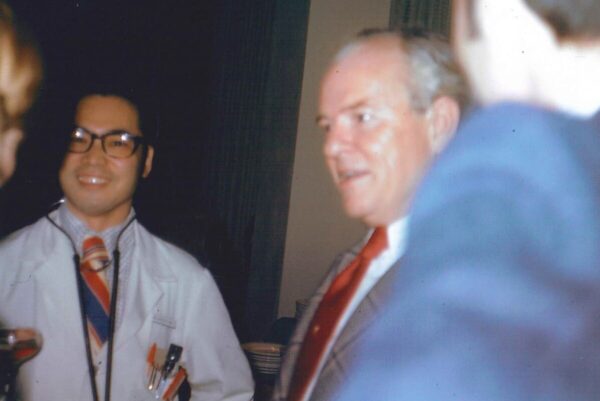
- At the Cleveland Clinic, with his mentor, Dr. Mason Sones
-
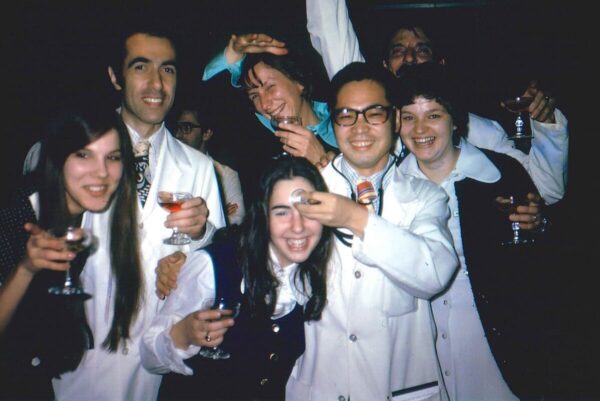
- At the Cleveland Clinic, with colleagues
-
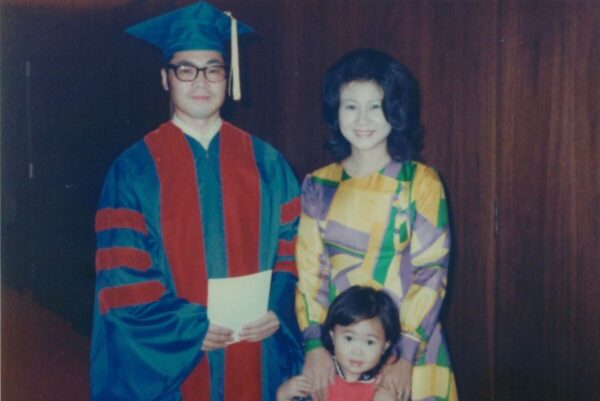
- October 1973, at the award ceremony for F.A.C.C.P. (Fellow of the American College of Chest Physicians)
-
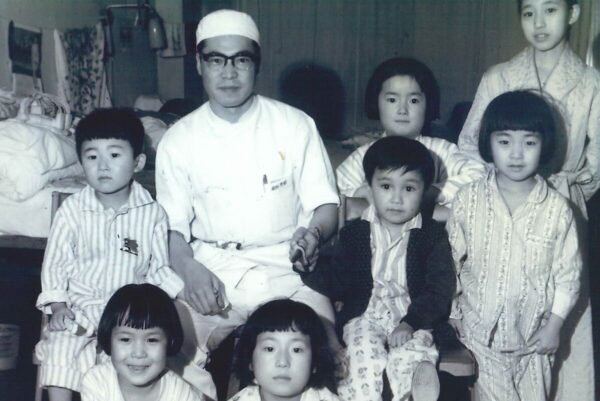
- After returning to Japan, at the Sapporo Medical University Hospital, where he performed pediatric cardiac surgery and related procedures
-
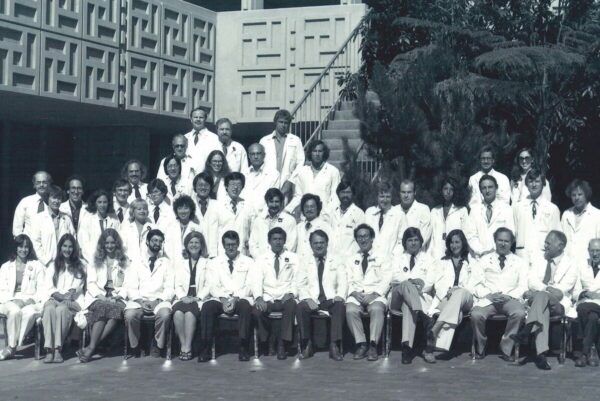
- At Stanford University, Department of Radiology (second row, eighth from the right)
-
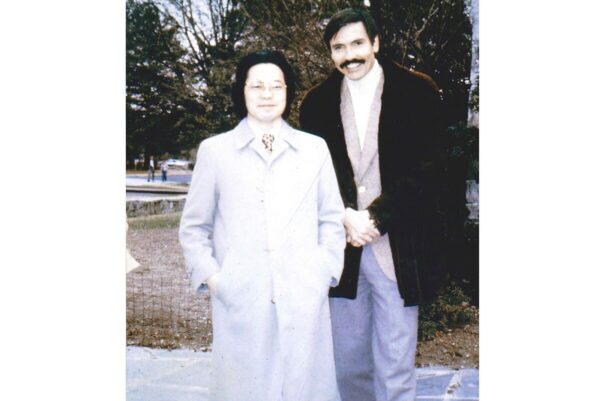
- At Stanford University, with Professor Andreas Grüntzig, developer of PTCA, at Emory University
-
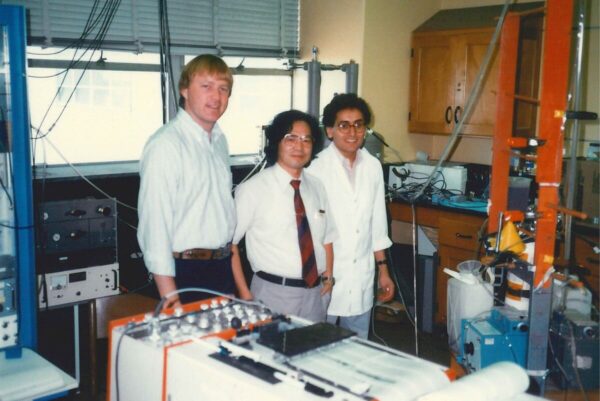
- At the University of California, San Francisco, with laboratory colleagues
-
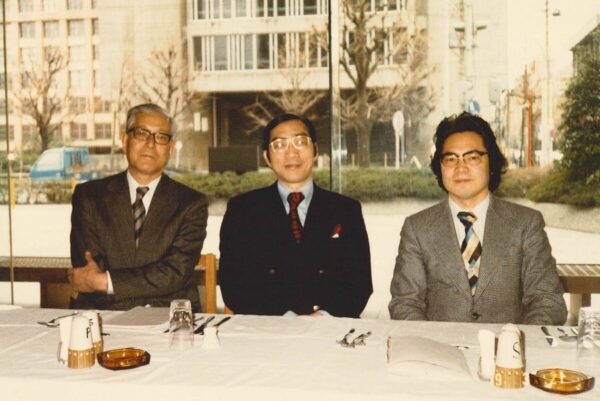
- At the Juntendo University, with Professor Kitamura of Cardiology (left) and Professor Suzuki of Thoracic Surgery (center)
-
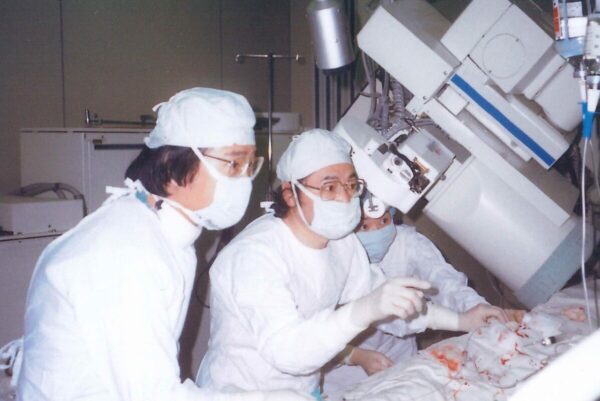
- At the Nihon University, during a PTCA (percutaneous transluminal coronary angioplasty) procedure
Pursuing Ideal Medicine — Establishment of a Medical Corporation
In 1988, Dr. Abe founded a medical corporation and opened a clinic in Kudanshita, Tokyo.
Initially established to serve the local community, the clinic gradually attracted patients from across Japan who were drawn to his approach to medicine.
-
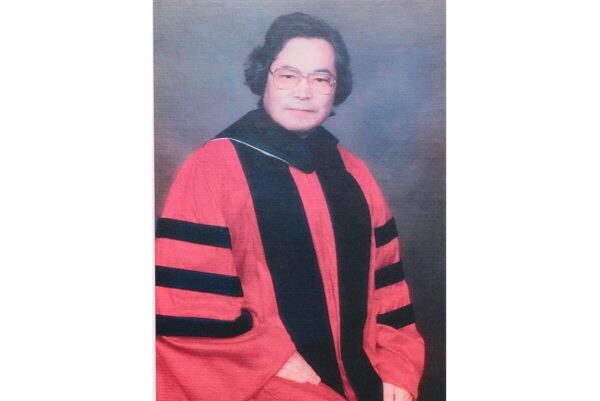
- February 1988, at the award ceremony for F.A.C.C. (Fellow of the American College of Cardiology)
-
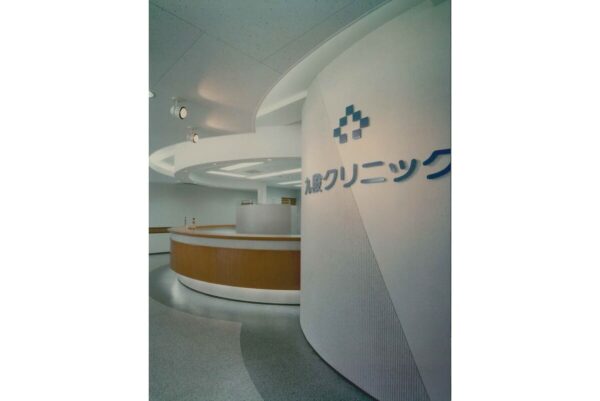
- April 1988, established a medical corporation and opened the clinic
The Origin of Our Philosophy — Reflections from the Founding Statement
At the time of establishing the medical corporation, Dr. Abe articulated his views on the very nature of medicine, expressing a strong sense of urgency at the time.
As modern medicine advanced and became increasingly specialized, he questioned whether an excessive focus on treating disease risked losing sight of the human being behind it.
From this concern arose his advocacy for holistic, human-centered medicine grounded in humanism.
This vision extended beyond treatment alone, encompassing prevention, lifestyle guidance, and health promotion—medical care that accompanies individuals throughout their lives, values community ties, and embraces a global perspective.
These principles were not merely ideals on paper.
They were continuously practiced through daily clinical care, research, and sincere engagement with patients, embodied throughout Dr. Abe’s own life.
-

- November 13, 1987, founding statement
A Challenge Toward “Individualized -Centered Medicine”
In 1999, guided by the philosophy of “individualized medicine,” Dr. Abe established an academic society that would later become the International Society of Personalized Medicine.
Free from allegiance to any single position or discipline, physicians and researchers who shared this vision gathered to exchange knowledge and experience, exploring future-oriented approaches to medicine together.
Regardless of age or title, he listened attentively to each voice and shared information and insight openly. Over time, this approach gave rise to connections among people, and the society gradually grew into a place where colleagues naturally gathered.
At the heart of these activities was an unwavering commitment to valuing people above all else, which became the driving force sustaining the society.
Toward Patient-Centered Care and Immunotherapy Research
From around 2000 onward, in his search for truly patient-centered care, Dr. Abe encountered cancer immunotherapy and began dedicating himself fully to research in the field of immunology.
His work included studies on dendritic cell vaccines and NK cell culture technologies, continuously exploring new possibilities in medicine.
Over more than 25 years, this became one of his life’s central themes. Moving back and forth between clinical practice and research, learning from patients’ voices and engaging in rigorous discussion with colleagues, he steadily built a body of knowledge that was later published in academic papers and books, and in some cases, realized as patents.
These achievements were never pursued for recognition. Rather, they represented a shared journey toward delivering better medical care to patients—a time that was deeply fulfilling for him as both physician and researcher.
This long journey now forms an essential foundation of the medical care practiced at our clinic today.
-
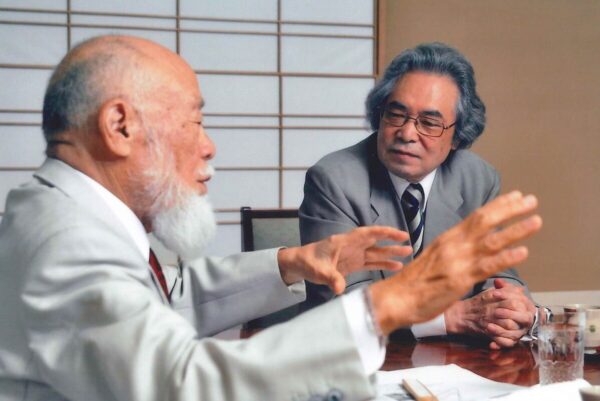
- 2006, in conversation with film director Muneyoshi Matsubayashi on “The Mandala of Life”
-
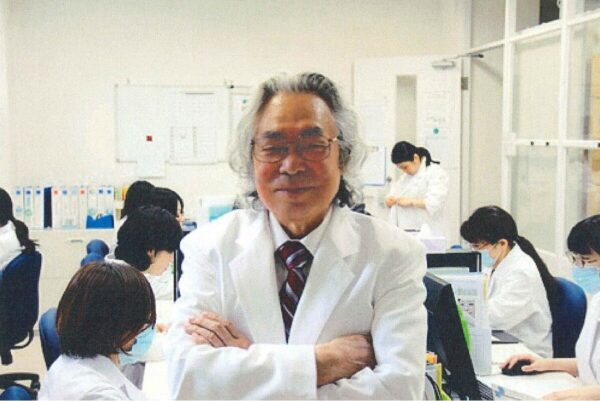
- 2016, at his research institute
-
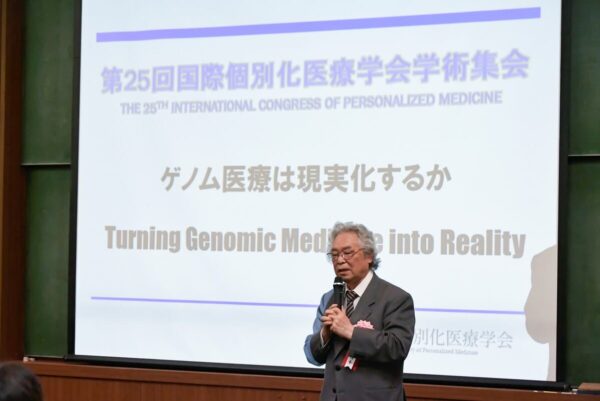
- 2019, at the 25th Annual Scientific Meeting of the International Society of Personalized Medicine
-
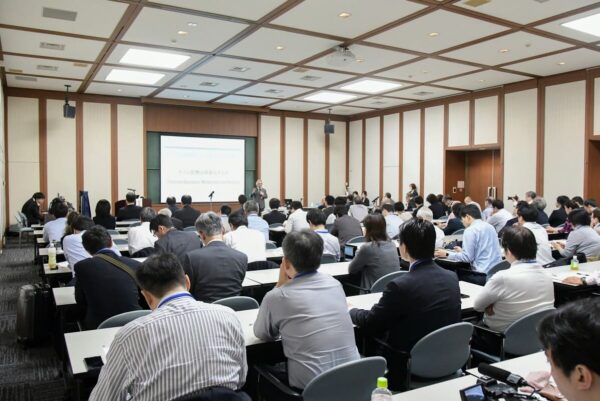
- 2019, at the 25th Annual Scientific Meeting of the International Society of Personalized Medicine
As a Person, As a Physician
Dr. Abe’s guiding principle was:
“I remain a lifelong student of medicine.”
No matter how busy his days became, he never ceased learning. He continually asked what was best for each individual patient and strove to provide the best possible care available at that moment.
In the consultation room, he made it a point to take time to listen carefully to patients and to receive their thoughts and feelings without judgment.
He responded sincerely to any concern, and would naturally add the words, “If anything comes up, please feel free to contact me at any time,” a gesture that brought reassurance to many patients.
His gentle expression and unwavering manner gave many patients a sense of renewed strength, and some continued to visit him even from far away.
His warm and inclusive nature—his genuine love for people and his way of treating everyone without distinction—continued to illuminate the hearts of many patients throughout his life.
-
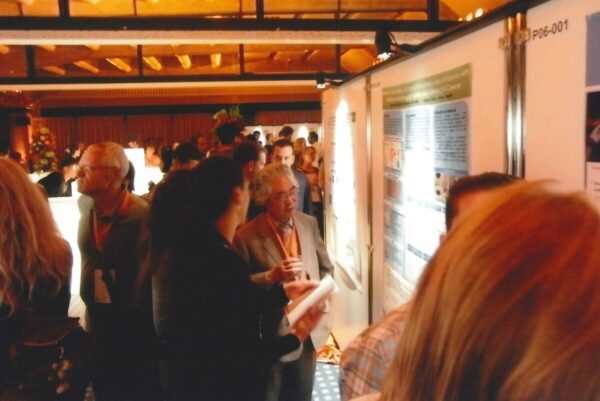
- 2010, presenting research at the International Dendritic Cell Symposium chaired by Professor Ralph M. Steinman, Lugano, Switzerland
-
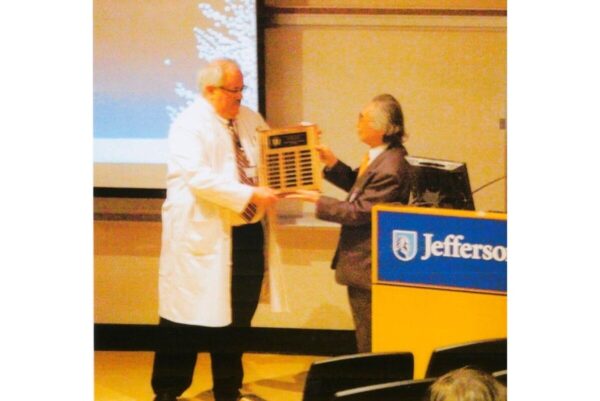
- 2012, after delivering the Templeton Lecture commemorating his appointment as Visiting Professor at Thomas Jefferson University
His Spirit Lives On in Our Medical Practice
Dr. Hiroyuki Abe passed away on December 5, 2025.
The philosophy and spirit of medical care he cherished throughout his life continue to live on in our daily practice.
Honoring his legacy, we remain committed to caring for each patient with the same sincerity and dedication—now and in the future.
-
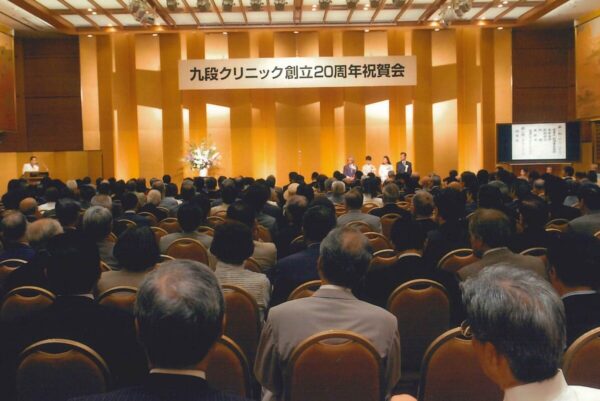
- 2008, at the 20th Anniversary Celebration
-
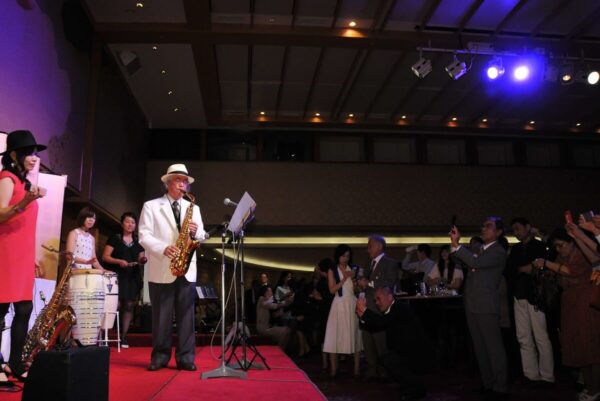
- 2013, performing saxophone at the 25th Anniversary Celebration
-
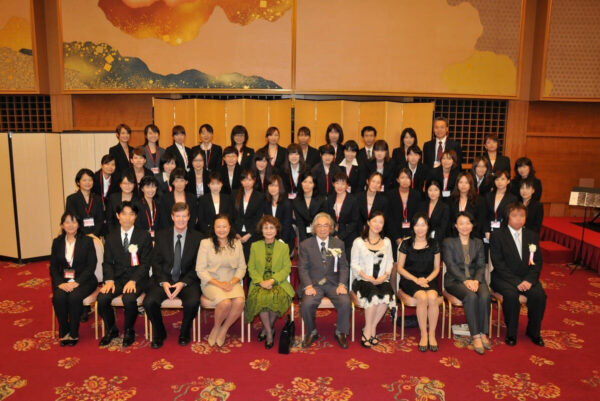
- 2013, commemorative photo with staff at the 25th Anniversary
-
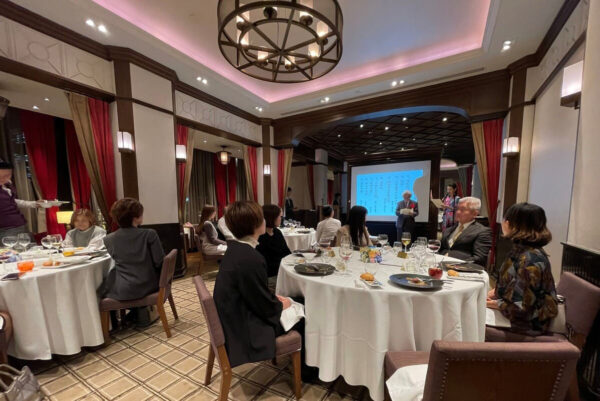
- 2024, at the 35th Anniversary Celebration